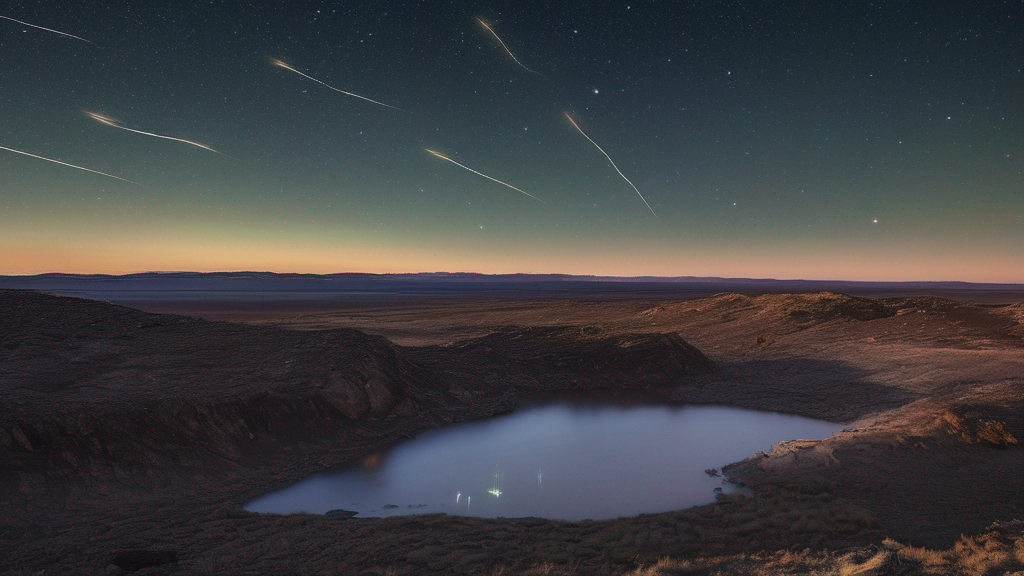
If you’ve ever stood in a field at midnight, neck craned upward, waiting for something to streak across the sky, this week is your reward. Two meteor showers are peaking simultaneously, and the conditions for viewing from the UK are actually pretty decent.
The Southern Delta Aquariids and the Alpha Capricornids are both hitting their stride at the same time, creating a busier-than-usual show overhead. The Delta Aquariids can produce around 25 meteors per hour at peak, while the Capricornids contribute fewer but often brighter fireballs, the kind that make you grab whoever’s standing next to you.
The best time to look is between midnight and 4am, when the radiant points of both showers climb highest above the horizon. You don’t need any equipment; binoculars and telescopes actually limit your field of view. Just your eyes, a blanket, and somewhere reasonably dark.
That last bit is the catch for most of us. Light pollution across British cities means a garden in Leeds or Birmingham will give you a fraction of what someone in the Cairngorms or Exmoor Dark Sky Reserve might see. If you can get 20 or 30 miles outside a major city, the difference is stark.
Astronomy enthusiasts often recommend giving your eyes at least 20 minutes to fully adjust to the darkness before expecting to see fainter meteors. Looking at your phone resets that process entirely.
Cloud cover is the perennial British problem, of course. Check a detailed hourly forecast for your specific area rather than a general regional one; skies can be clear five miles away while you’re standing under solid grey. Apps like Sat24 or Clear Outside are genuinely useful here.
Both showers are debris trails left by comets passing close to Earth’s orbit. The Delta Aquariids are associated with Comet 96P/Machholz, and as Earth ploughs through the leftover dust and rock, those particles burn up high in the atmosphere at speeds of up to 41 kilometres per second.
So the question is really just how much you want it. A late night, a thermos of something warm, and a patch of dark sky could make for a genuinely memorable mid-week evening. When’s the last time you actually looked up properly?