Somewhere beneath a car park in Leicester, Richard III waited 500 years to be found. Your shoebox full of concert tickets probably won’t fare quite as well.
Building a time capsule that genuinely survives two and a half centuries is a serious materials problem, and most people get it badly wrong. The plastic tub from the garden centre, the printed photographs, the newspaper clipping, the biro-scrawled note on lined paper; all of it will be unreadable dust long before your great-great-grandchildren come looking.
The enemies are moisture, oxygen, acidity, and biological activity. Paper, for instance, contains lignin, which breaks down over decades and turns pages brown and brittle. Standard printer ink fades within 25 to 50 years under normal storage conditions. Even the zip-lock bag you sealed everything in is probably already off-gassing chemicals that will degrade your contents faster than leaving them in open air.
Archivists at institutions like the British Library use acid-free, lignin-free paper for anything intended to last centuries. If you’re writing a letter to the future, use archival-grade paper with pigment-based ink, not dye-based. The difference matters enormously over a 250-year horizon.
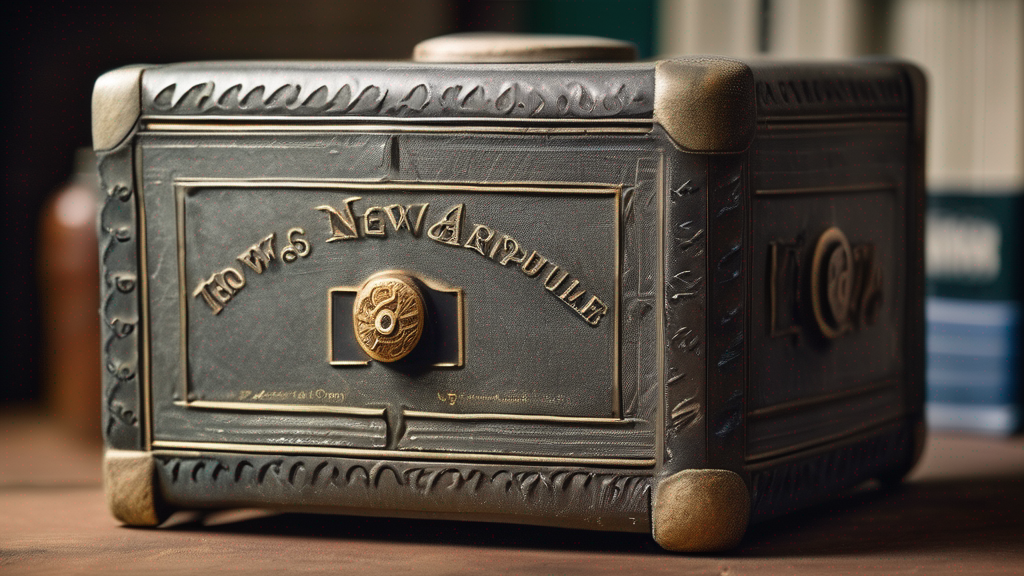
“The container is everything,” according to conservators who work with long-term burial artefacts. Stainless steel or borosilicate glass with an airtight seal are the gold standard. Aluminium corrodes. Timber rots. Plastics off-gas and become brittle. You want something that was already old when the capsule was buried.
Oxygen absorbers, the same packets used in food preservation, can extend the life of organic materials dramatically when sealed inside a metal container. Silica gel controls humidity. Removing as much air as possible before sealing is worth every bit of effort.
What you put inside matters too. Photographs printed on archival baryta paper outlast standard inkjet prints by a factor of ten. Physical media like USB drives or DVDs are essentially useless; there’s no guarantee anyone will have the hardware to read them in 2275. Engrave or emboss where possible.
Perhaps the more interesting question isn’t how to build the thing, but what you’d actually choose to put inside, knowing that whoever opens it will understand almost nothing about the context of your daily life.