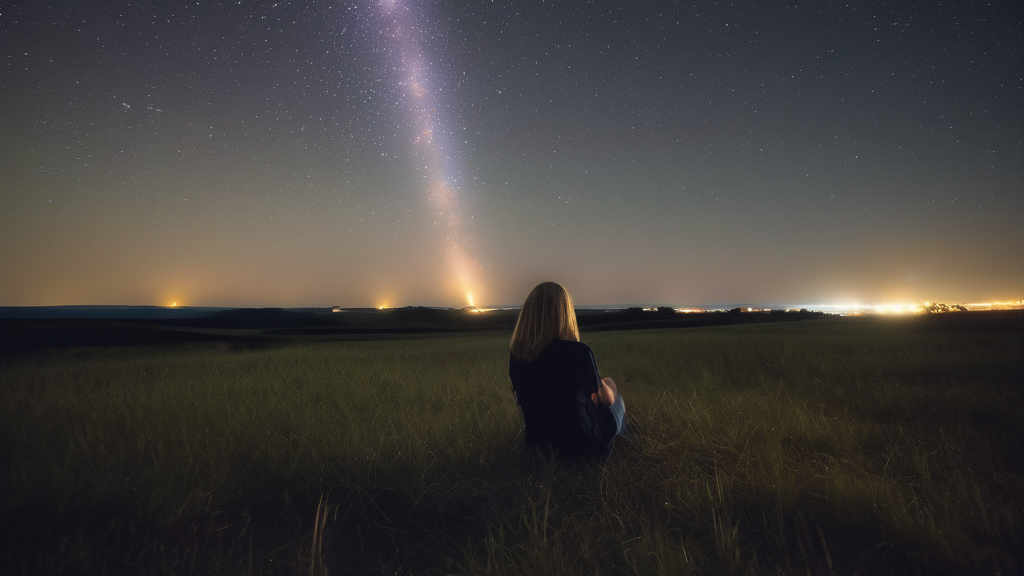
Every August, the night sky puts on one of its finest shows, and this year the Perseids are shaping up to be particularly worth losing a bit of sleep over.
The Perseids meteor shower peaks on the night of 12th to 13th August, though you’ll start seeing decent activity from around the 10th and it tails off gradually toward the 16th. At its best, the shower can produce up to 100 meteors per hour under ideal conditions, which is frankly astonishing when you consider they’re just tiny fragments of Comet Swift-Tuttle burning up roughly 70 miles above your head.
The good news this year is that the Moon will be in a waning crescent phase during the peak, meaning less light pollution from our nearest neighbour. That’s a genuine bonus. Dark skies will make a real difference to how many streaks you catch.
You don’t need any special equipment. Binoculars and telescopes actually work against you here, because they narrow your field of view. Just find somewhere reasonably dark, lie flat on your back, and let your eyes adjust for at least 20 minutes before you start counting.
The meteors appear to radiate from the constellation Perseus, which rises in the north-east after about 10pm. You don’t need to stare directly at Perseus though; looking roughly 90 degrees away from the radiant point tends to give you longer, more dramatic trails.
“The Perseids are the reliable summer classic,” as amateur astronomers often put it. “They never really disappoint, even if the British weather sometimes does.”
Speaking of which, your biggest enemy isn’t light pollution or the Moon. It’s cloud cover. Keep a close eye on the forecast in the days leading up to the 12th, and be prepared to drive an hour out of the city if conditions look iffy where you are. Rural Yorkshire, the Scottish Highlands, and Exmoor are among the UK’s designated Dark Sky Discovery Sites, all worth bookmarking.
Wrap up warmer than you think you need to. Even in August, lying still outdoors at midnight gets cold fast. Take a flask, a blanket, and perhaps a healthy dose of patience.
Whether you spot two meteors or twenty, there’s something quietly humbling about watching ancient comet debris light up the sky. Will this be the year you finally drag yourself outside for it?