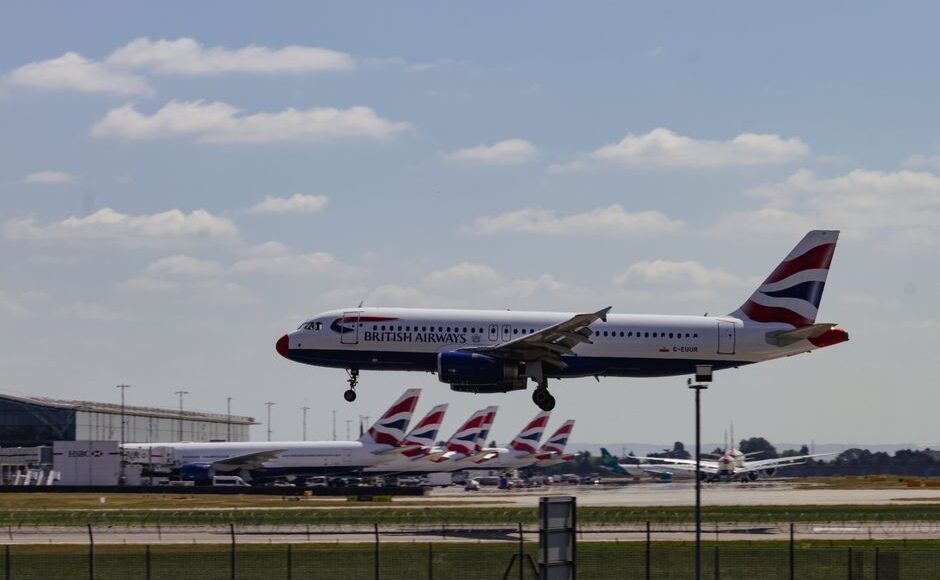
It’s not the sort of word you ever want to hear over an aircraft radio. On 6 July, a British Airways Airbus A320 inbound from Düsseldorf declared a mayday as it made its approach into Heathrow, triggering emergency procedures at one of the world’s busiest airports.
The alarm was raised after the aircraft received two stall warnings during its descent. A stall warning signals that the wing is losing lift, which in the wrong circumstances can lead to a rapid loss of altitude. For the crew, the correct response is immediate and drilled into them through hundreds of hours of training, but that doesn’t make the moment any less serious.
Air traffic controllers were notified and emergency services were placed on standby at Heathrow as the aircraft continued its approach. The plane landed safely, and there are no reports of injuries among the passengers or crew on board.
A mayday declaration is the highest level of aviation distress signal, used when a crew believes there is an immediate threat to the aircraft or the lives on board. It unlocks priority handling from controllers and clears the runway of other traffic.
The Aircraft Accident Investigation Branch (AAIB), the UK’s official body for probing such incidents, has confirmed it is looking into what happened. Their investigators will examine flight data recorders, cockpit voice recordings, and maintenance logs to piece together exactly what triggered those two stall warnings.
British Airways has not yet commented publicly on the incident, which is fairly standard practice while an investigation is ongoing. The airline has a long safety record, and incidents of this kind, while alarming in the moment, do frequently turn out to stem from sensor faults or transient technical issues rather than a genuine aerodynamic stall.
Still, two stall warnings on a single approach is the kind of detail that investigators will want to understand fully. Whether it points to a faulty angle-of-attack sensor, an airspeed anomaly, or something else entirely remains to be seen.
The AAIB typically publishes a preliminary report within 30 days. Whatever the findings, the question of what those warnings actually meant on that July afternoon over west London will demand a thorough answer.