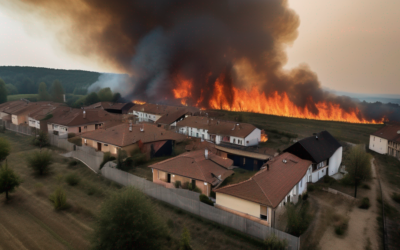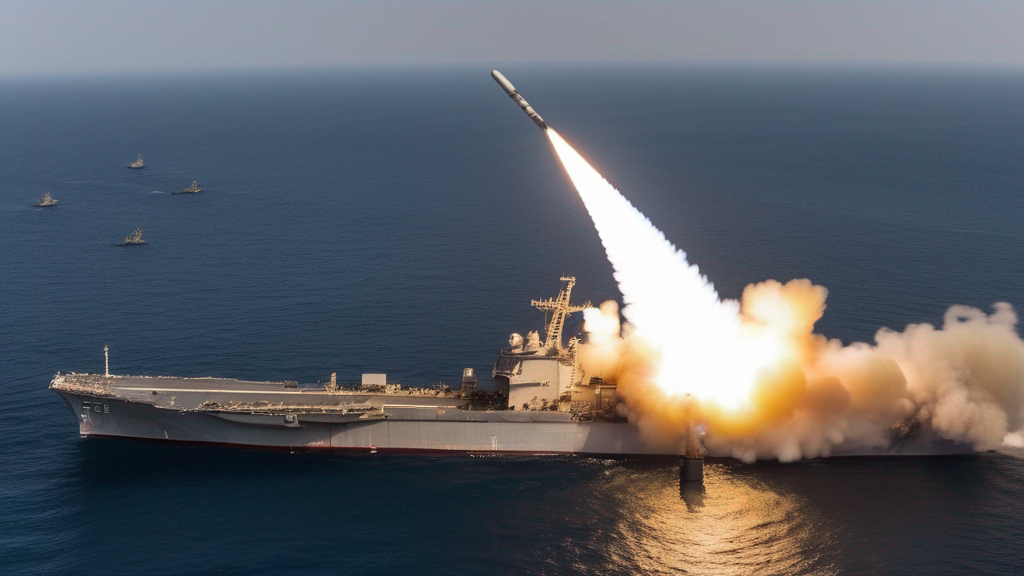
The Middle East is on edge again, and this time the fuse was lit in the Strait of Hormuz, one of the most strategically vital waterways on the planet.
US forces launched a series of strikes against Iranian targets following attacks on oil tankers in the strait, through which roughly a fifth of the world’s oil supply passes every single day. Washington says the military action is designed to impose “heavy costs” on Tehran, making clear it won’t tolerate further disruption to international shipping lanes.
Iran, for its part, isn’t backing down. Officials in Tehran have warned they will “take decisive measures” in response, language that diplomats will be parsing very carefully in the hours ahead. Whether that means a proportional counter-strike, proxy escalation through regional allies, or something more unexpected, nobody’s saying just yet.
The tanker attacks themselves sent immediate shockwaves through global oil markets. Brent crude jumped sharply on the news, a reminder of just how sensitive prices are to anything that threatens the flow of Gulf oil. Shipping insurance rates in the region had already been climbing for weeks, with some vessels diverting around the Cape of Good Hope rather than risk the strait.
This isn’t the first time the Hormuz corridor has become a flashpoint between Washington and Tehran. In 2019, a series of tanker incidents and the US assassination of General Qasem Soleimani brought the two countries to what felt like the brink. They stepped back then. The question is whether the same restraint holds now, with a different American administration in the White House and a very different regional picture after years of shifting alliances.
US officials have stressed the strikes were “targeted and limited”, though that framing will carry little weight in Tehran, which tends to view any American military action on its doorstep as an existential provocation.
Britain, heavily dependent on stable energy supplies and with Royal Navy vessels operating in the region, will be watching the fallout closely. A prolonged standoff, let alone open conflict, would send fuel prices surging at exactly the wrong moment for households already squeezed.
The real question now is whether either side has an off-ramp they’re willing to take, or whether the next 48 hours will drag us somewhere nobody actually planned to go.