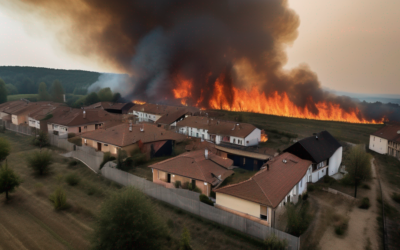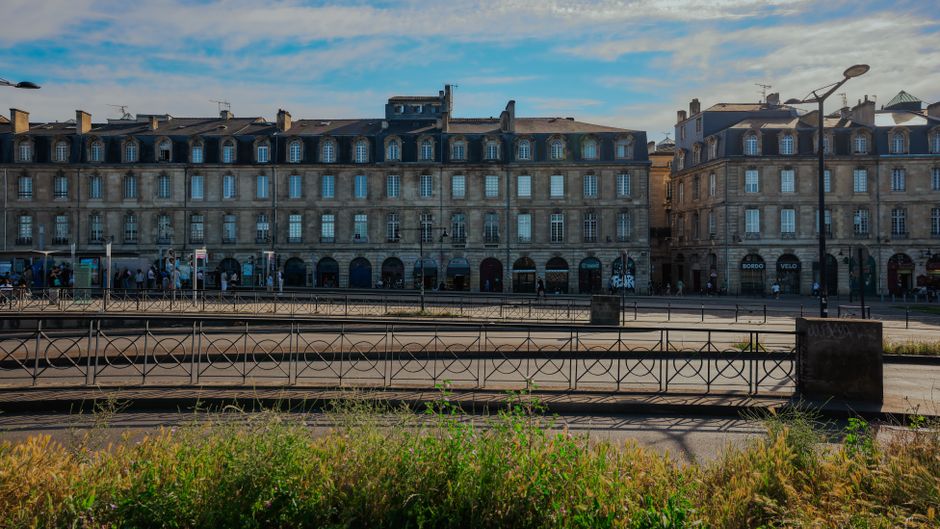
The fires are close enough now that you can smell them in Bordeaux. Nine miles. That’s the distance separating one of France’s most celebrated cities from an advancing wildfire that has already forced thousands from their homes and left a trail of scorched pine forest across the Gironde département.
Thomas Cazenave, the mayor of Bordeaux, confirmed the grim proximity on Wednesday, saying the city is actively preparing contingency plans should further evacuation orders be issued. He stopped short of sounding a full alarm, but the tone was unmistakable: this is not a situation anyone is taking lightly.
“The situation is catastrophic,” said the mayor of a neighbouring commune, whose town has already felt the fire’s reach. It’s the kind of word politicians tend to avoid. When they use it anyway, you listen.
The Gironde fires have been burning for days, fanned by fierce winds and driven by the kind of bone-dry conditions that have baked much of western Europe this summer. More than 14,000 hectares have already been destroyed in the region, with firefighters battling two separate blazes that have proved stubbornly resistant to containment efforts.
Thousands of residents and holidaymakers have already been evacuated from campsites, villages, and homes across the area. The speed of the fire’s spread has caught many off guard; the region’s vast tracts of pine plantation, it turns out, burn with terrifying efficiency.
For Bordeaux, a city of around 260,000 people and a UNESCO-listed old town, the psychological weight of watching the smoke thicken on the horizon is hard to overstate. This is a city built around its vineyards, its riverside elegance, its sense of permanence. Wildfires, until recently, felt like someone else’s problem.
France has deployed hundreds of firefighters and aerial tankers, with reinforcements arriving from across the EU. But with temperatures forecast to remain dangerously high through the weekend, the window for getting the upper hand remains frustratingly narrow.
The question hanging over Bordeaux now isn’t just whether the fire can be stopped. It’s whether this summer will finally force a reckoning with how southern Europe manages its forests, its heatwaves, and its creeping new normal.