The ground gave no warning. One moment, life in Venezuela was carrying on as normal; the next, buildings were swaying, shelves were crashing, and people were sprinting into the streets in a panic.
A significant earthquake struck Venezuela this week, sending tremors through populated areas and triggering widespread evacuations across multiple regions. Footage captured by BBC reporters and local contributors shows the chaotic scenes that followed, with residents flooding out of homes and apartment blocks, clutching children and whatever they could grab in those first terrifying seconds.
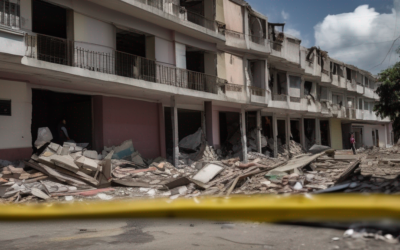
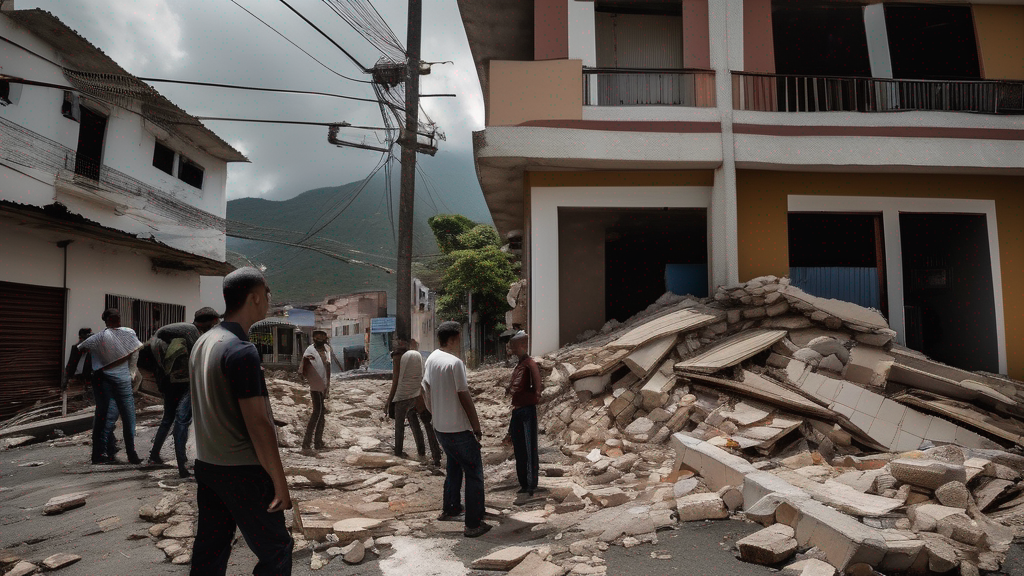
The images are striking. Cracked walls, collapsed ceilings, streets dusted with debris. In one clip, a family stands outside their home, visibly shaken, watching a building across the road shed chunks of its upper floor onto the pavement below.
“We didn’t know what to do. We just ran,” one Caracas resident told BBC journalists on the ground, still visibly trembling as she described the moment the quake hit her neighbourhood.
Venezuelan authorities moved quickly to assess the scale of the damage, with emergency services deployed to the worst-affected districts. Power outages were reported in several areas, complicating rescue efforts and leaving residents without communications in the hours immediately after the tremor.
Venezuela sits within a seismically active zone, pressed between the Caribbean and South American tectonic plates. The country has a history of destructive quakes, most notably the 1812 Caracas earthquake, which killed tens of thousands and effectively levelled the capital. Geologists have long warned that modern Venezuelan cities, particularly those with older housing stock, remain vulnerable.
What makes this event particularly concerning is the timing. Venezuela’s infrastructure has been under severe strain for years, weakened by economic collapse and chronic underinvestment in public works. Buildings that might have withstood a moderate tremor in better condition simply don’t have that resilience anymore.
Full casualty figures and a comprehensive damage assessment are still emerging, and the situation on the ground remains fluid. As relief efforts ramp up, the harder question looms: in a country already stretched so thin, how does it begin to rebuild?