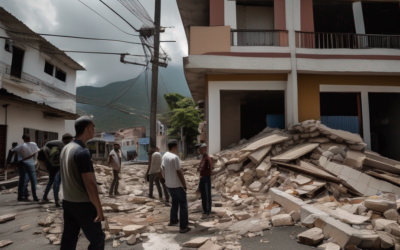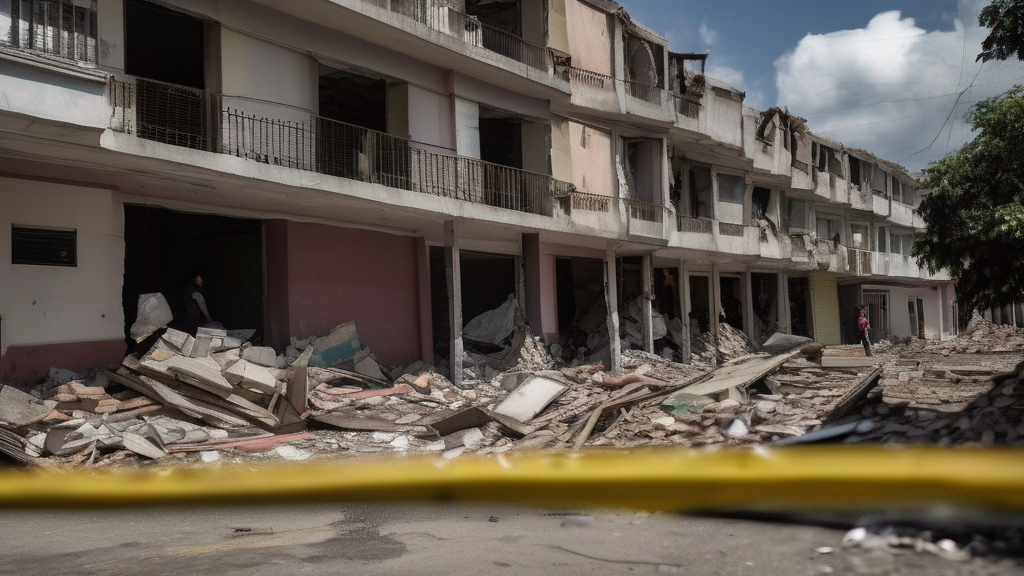
The ground beneath western Venezuela gave way without warning, and by the time the dust began to settle, it was already clear this was something catastrophic.
A powerful earthquake has struck Venezuela, prompting the government to declare a state of emergency as officials scramble to assess the full scale of the destruction. Early reports point to widespread structural damage across multiple affected regions, with authorities warning that the casualty toll is expected to rise significantly as rescue teams push further into the hardest-hit areas.
President Nicolás Maduro addressed the nation, calling on all emergency services to mobilise immediately and urging citizens in vulnerable zones to follow evacuation guidance. “We are doing everything in our power to reach every community,” he said, as footage of collapsed buildings and debris-strewn streets began circulating on social media.
The tremor, which was felt across a broad stretch of the country, caused buildings to crumble in densely populated areas. Hospitals in the region are reportedly overwhelmed, with medical staff treating the injured in car parks and open spaces due to fears over structural safety inside the facilities themselves.
Communication lines to some of the worst-affected towns have been severed entirely, which is making coordination between emergency teams incredibly difficult. Rescue workers are currently operating without a clear picture of how many people remain trapped beneath rubble, and that uncertainty is only adding to the tension.
Venezuela’s infrastructure was already fragile before today. Years of economic crisis have left public buildings, roads, and utilities in a state of serious disrepair, and that context makes the potential for widespread, lasting damage considerably worse than it might otherwise be.
International offers of assistance are beginning to come in, though whether Caracas will accept outside help given the country’s complicated diplomatic relationships remains an open question.
Search and rescue operations are continuing through the night. The next 72 hours are, as always in situations like this, the most critical window for finding survivors alive.
Whether Venezuela’s government has the resources, the reach, and the logistical capacity to mount an effective response at the scale this disaster demands is something the world will be watching very closely.