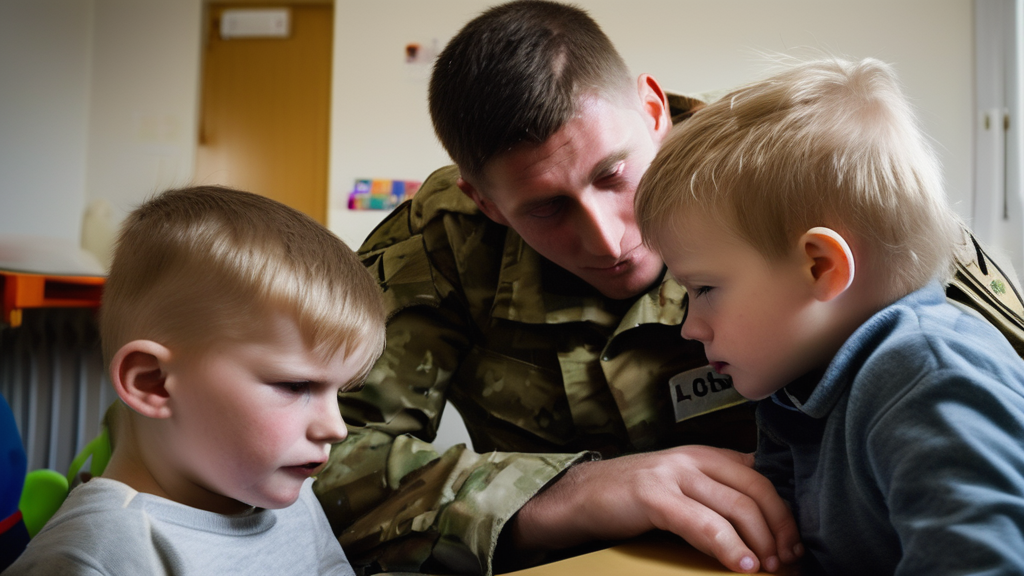
For decades, they were told their fathers were dead. Some were told nothing at all. Now, 20 children born near a British army base in Kenya are finally learning the truth, and the truth is complicated.
A joint DNA and legal project has successfully identified the biological fathers of these 20 individuals, all born to Kenyan mothers who lived close to a military training base used by British soldiers. The children, many of them now adults, grew up without answers. Some had spent years wondering why they looked different from the rest of their family.
One mother, speaking through a community representative, described how she was told the soldier she’d had a relationship with had been killed in service.
“She waited. She grieved. She raised the child alone. And then she found out he’d simply gone home.”
The project, which has been quietly operating for several years, combines voluntary DNA testing with legal advocacy to help these families access birth registration rights, inheritance claims, and in some cases, British citizenship. It’s painstaking work. Military records from the relevant periods are incomplete, and some of the identified fathers have since died.
Kenya has hosted British Army training exercises for over a century. The base at Nanyuki, near Mount Kenya, has long been a hub for these deployments. Soldiers rotate through on six-week postings, and relationships with local women are not uncommon. What’s less common is any formal acknowledgement of what happens after the regiment flies home.
Twenty families have now got something they didn’t have before: a name, a history, a biological link that the law can recognise. For some, that opens doors. For others, it simply closes a wound that had been left open far too long.
There are believed to be hundreds more cases that remain unresolved. The project coordinators say they’re working through a backlog of requests, but funding and access to old military personnel records remain the biggest obstacles.
Whether the Ministry of Defence will take a more active role in supporting this process, rather than leaving it to volunteer-led organisations, remains an open question. And it’s one that 20 families, at least, will be watching very closely.