There’s a particular kind of strength required to carry someone else’s grief when you haven’t finished carrying your own.
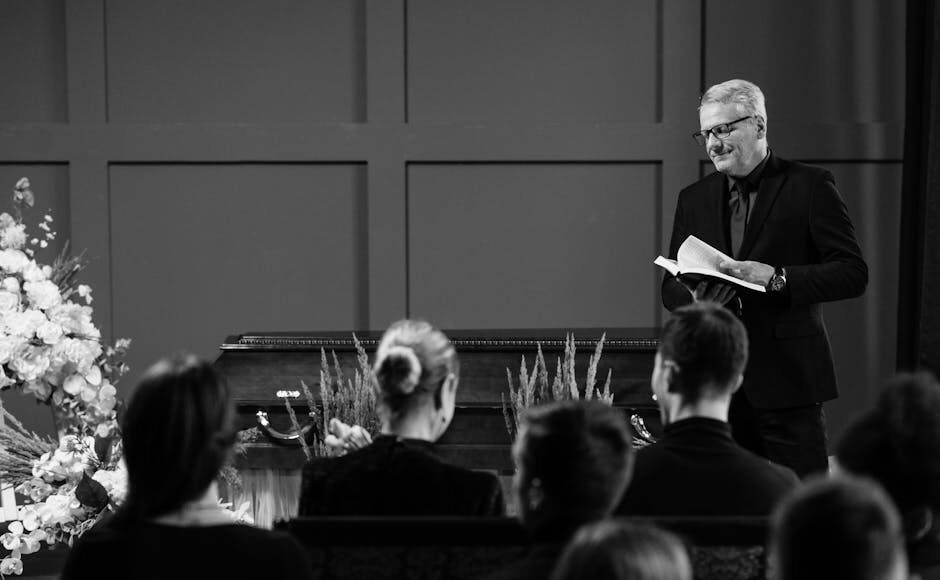
Julie Hartley has been a funeral director in Leeds for nineteen years. She’s guided hundreds of families through the fog of bereavement, held hands in cold chapels, and helped strangers choose coffins for people they loved more than anything. But nothing in nearly two decades prepared her for the morning she had to do it all for her own mother.
“You go into a professional mode,” she explains. “It’s the only way you survive it. But then you’re driving home afterwards and it hits you, properly hits you, and you’re just a daughter who’s lost her mum.”
Julie isn’t alone in this. The funeral industry employs around 20,000 people across the UK, and for many, the job eventually crosses into the personal. Grief counsellors who work alongside funeral directors say the experience of arranging services for family can be uniquely disorienting, because the professional role provides structure while simultaneously delaying the emotional reckoning.
For Julie, the hardest part wasn’t the ceremony itself. It was the paperwork. “There’s a death certificate, a cremation form, disposal of ashes. I’ve filled these in a thousand times. But when it’s your mum’s name on the form, your hands shake.”
She took three weeks off afterwards, the first significant leave she’d taken in a decade. Her colleagues handled her existing clients without question. That solidarity, she says, is what makes the profession bearable.
What’s striking about Julie’s account isn’t the trauma of it, though there’s plenty of that. It’s the way the job had, without her realising, given her a kind of fluency in grief. She understood the stages not as abstract theory but as something she’d witnessed in living rooms and on phone calls at 2am. When her own grief arrived, she at least recognised it.
“I knew what was happening to me,” she says quietly. “I’d seen it so many times. That didn’t make it easier. But it made it less frightening.”
As the UK grapples with what researchers call a “bereavement literacy” gap, with younger generations increasingly distanced from death and dying, perhaps the quiet expertise of people like Julie deserves far more attention than it gets.