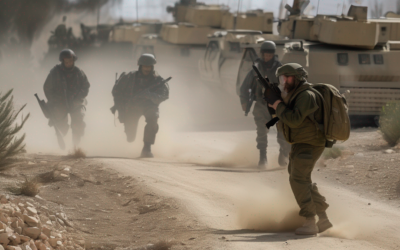
Fuel thieves are having a field day, and the conflict in the Middle East is helping foot their bill.
Petrol prices across the UK have been creeping upward in recent weeks, with analysts linking the rise to escalating tensions involving Iran and the knock-on effect on global oil markets. For drivers already stretched thin by the cost of living, every litre stings a little more. For some, apparently, the answer is simply not to pay at all.
One forecourt owner in the East Midlands, who asked not to be named, says the problem has become relentless.
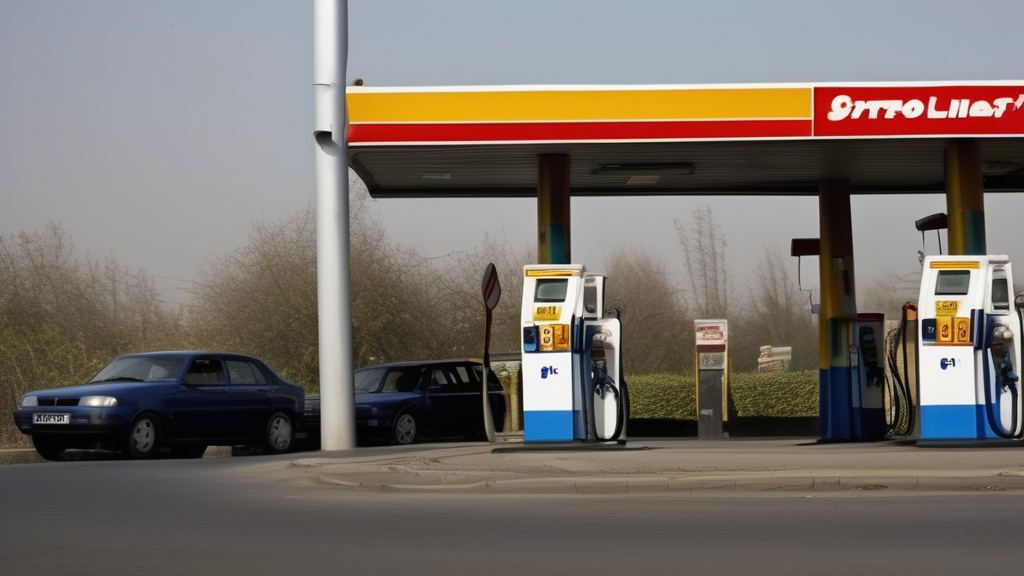
“We’re seeing roughly five drive-offs a week at each of our sites. That’s not petty inconvenience, that’s thousands of pounds a month walking straight out the door.”
Drive-offs, where a driver fills up and speeds away without paying, are technically theft under the Theft Act 1968. In practice, though, prosecutions are rare. Police forces are overstretched, CCTV footage is often inconclusive, and by the time a report is filed the car is long gone.
Industry body the Petrol Retailers Association has previously warned that forecourt crime rises in direct correlation with fuel prices. When costs spiked during the Ukraine conflict in 2022, reports of drive-offs jumped by around 25% nationally. The current trajectory looks worryingly familiar.
Smaller independent retailers feel the pinch hardest. Unlike the big supermarket chains, they can’t absorb losses across hundreds of sites or offset them against enormous trading volumes. A few thousand pounds a month in stolen fuel can genuinely threaten a small forecourt’s viability.
Some operators are fighting back with prepay-only pumps, where you pay at the kiosk before the nozzle even activates. It works, but it frustrates legitimate customers and slows everything down. Others are investing in automatic number plate recognition systems, though the upfront cost is steep for a one-site business already running on tight margins.
With no immediate resolution in sight in the region and oil traders remaining jittery, fuel prices are unlikely to ease anytime soon. The question is whether retailers can hold on long enough, and whether the government has any appetite to act before more forecourts simply close their doors.