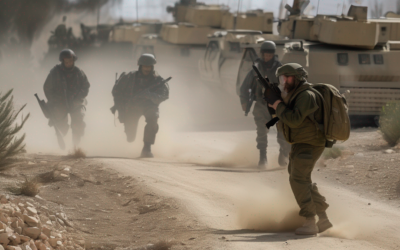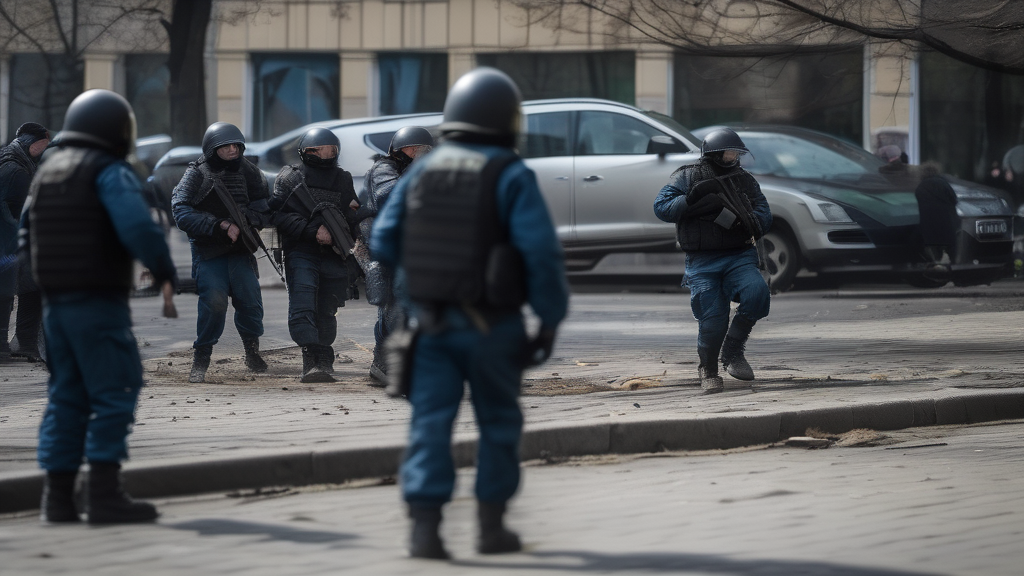
It began like any ordinary Tuesday in Kyiv, and then the shooting started.
At least six people are dead after a gunman opened fire and seized hostages inside a supermarket in the Ukrainian capital, in what authorities are describing as one of the most shocking domestic incidents the city has seen since long before the war began. The attacker was ultimately killed in a shoot-out with police, but not before leaving a trail of devastation through a building where people had simply gone to do their shopping.
Ukrainian officials confirmed the death toll on Tuesday, though they warned the situation remained fluid in the immediate aftermath. Emergency services flooded the scene as police negotiators worked to end the standoff, which lasted for several tense hours before officers moved in.
The attacker’s motive is not yet fully established, though Ukrainian law enforcement sources indicated he acted alone. In a city already living under the shadow of Russian missile strikes, the idea of facing danger inside a supermarket carries a particular, horrible weight.
“People are exhausted and frightened,” one Kyiv resident told local media near the scene. “We didn’t expect something like this, not from one of our own.”
Kyiv’s mayor, Vitali Klitschko, confirmed he was monitoring the situation and offered condolences to the families of those killed. Ukrainian President Volodymyr Zelensky is expected to address the incident in the coming hours.
For a population that has spent over two years bracing for air raid sirens and drone attacks, the psychological toll of this kind of violence, erupting in a mundane, domestic setting, is difficult to overstate. Supermarkets, cafes and parks have become symbols of normal life stubbornly continuing. An attack in one of those spaces cuts differently.
Six dead. A gunman shot by police. A city already carrying so much, asked to carry more.
As investigators work to piece together who this man was and what drove him to walk into a shop and start shooting, the bigger question hangs in the air: how much more can one city reasonably be expected to absorb?