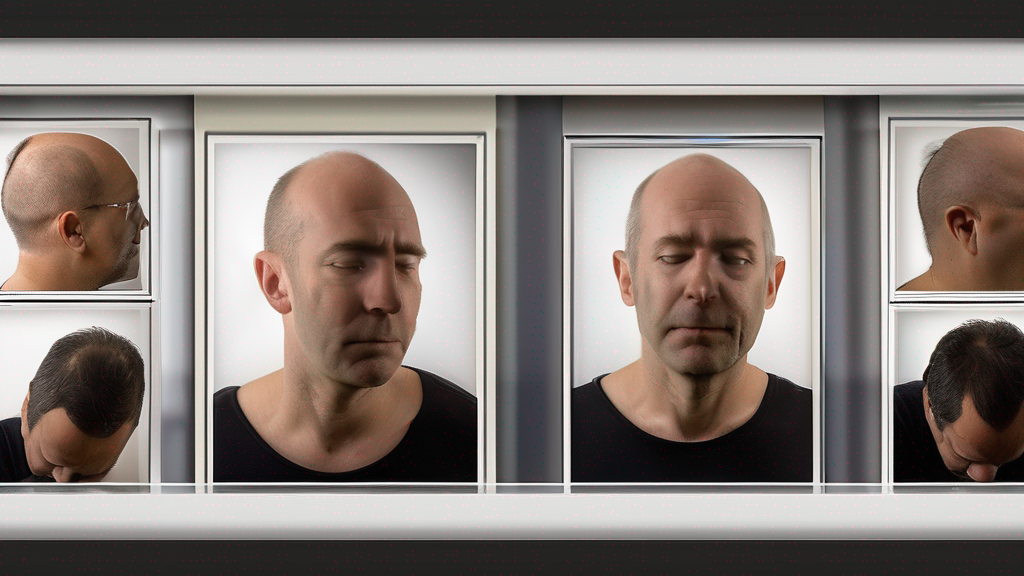
You’ve probably seen the before-and-after photos. Someone loses three stone on semaglutide, looks genuinely transformed, and then the comments fill up with a familiar worry: but what about their face?
“Ozempic face” has become shorthand for the gaunt, hollowed-out look some users report after rapid weight loss on GLP-1 drugs like Ozempic and Wegovy. The concern is real enough that it’s made it into dermatology journals, not just TikTok comment sections.
But here’s what the science actually shows, which is rather more nuanced than the headlines suggest.
Fat loss from the face during rapid weight reduction isn’t unique to semaglutide. It happens with any significant calorie deficit. What’s different with GLP-1 drugs is the speed. Clinical trials like STEP 1 showed participants losing an average of 14.9% of their body weight over 68 weeks. That’s fast. And when fat disappears quickly from the cheeks and temples, skin doesn’t always have time to adjust.
A 2023 paper in the Aesthetic Surgery Journal noted a marked uptick in consultations from patients on GLP-1 medications concerned about facial volume loss. It’s not imagined; it’s a genuine dermatological consequence of swift, significant weight change.
Then there’s hair loss, or telogen effluvium to give it its proper name. This is a stress response where large numbers of hair follicles shift into a resting phase simultaneously, often triggered by rapid weight loss or nutritional deficiency. In the STEP trials, around 3% of semaglutide users reported hair loss, compared to 1% on placebo. Not negligible, but not catastrophic either.
The crucial point most coverage misses is that these effects are largely linked to the weight loss itself, not some mysterious chemical property of the drug. Bariatric surgery patients have reported both issues for decades.
That said, the speed and ease with which GLP-1 drugs produce weight loss may mean more people experience these side effects than with slower, more traditional methods. Adequate protein intake, around 1.2 to 1.6 grams per kilogram of body weight daily, appears to reduce hair shedding, according to nutritional guidance from several obesity medicine clinics.
Whether cosmetic concerns will put people off drugs that demonstrably reduce cardiovascular risk and improve metabolic health is, perhaps, the more interesting question worth watching.