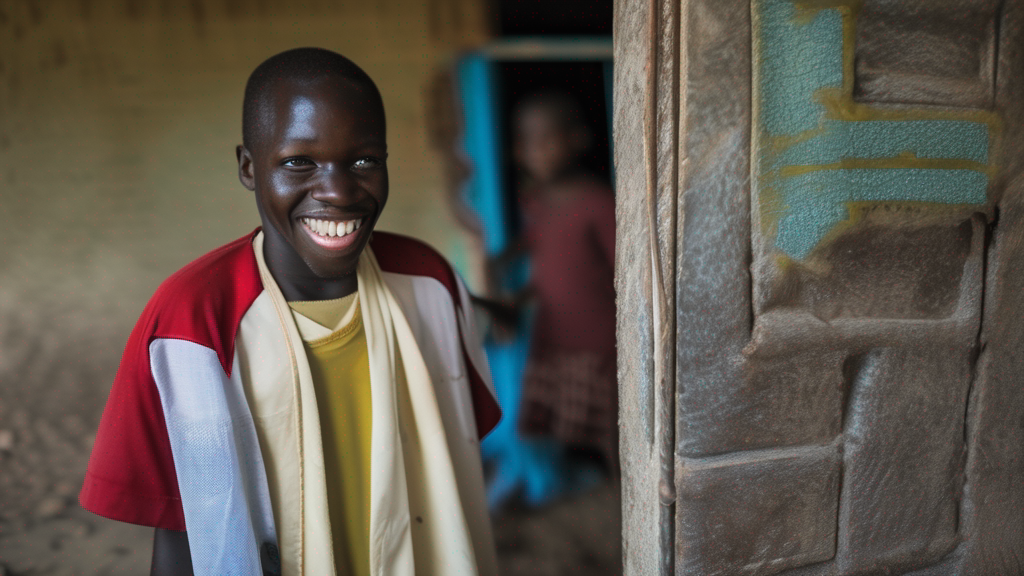
In a town where people still flinch at handshakes and every fever feels like a death sentence, someone is laughing.
The BBC has spent time in Beni, the North Kivu town at the heart of the Democratic Republic of Congo’s worst Ebola outbreak in years, and what they found isn’t just grief. It’s something more complicated, more human than that.
More than 170 people have died since the current outbreak was declared in August 2018, making it the second-largest in recorded history. Healthcare workers in full protective suits move through streets where mistrust runs deep, where some residents still believe the disease is a government conspiracy. The conditions are, by any measure, brutal.
And yet. Children still kick footballs in dusty yards. Market traders still barter and bicker at dawn. A survivor, speaking to BBC reporters, described the moment she was discharged from an Ebola treatment centre and her family cheered so loudly the neighbours came out to see what had happened.
“We were so afraid we would never touch her again,” her sister said. “When they told us she could come home, we forgot everything.”
It’s a detail that cuts through the statistics. Ebola is a disease that isolates. One of its cruelties is that the sicker you are, the more infectious you become, meaning the people who love you most are the ones you have to keep furthest away. Recovery isn’t just medical. It’s a kind of reunion.
The World Health Organisation has more than 650 staff on the ground in North Kivu and Ituri provinces. Response teams are working alongside community leaders, trying to rebuild the trust that makes contact tracing possible. It’s painstaking, unglamorous work, and it doesn’t always make the news.
What the BBC’s reporting captures is something the raw numbers don’t: a community that is frightened and grieving, yes, but also stubbornly, defiantly alive.
The outbreak is not over. New cases are still being confirmed weekly, and the ongoing armed conflict in eastern DRC makes containment genuinely difficult. But if the history of Ebola responses teaches anything, it’s that the communities at the centre of them are never merely victims.
The question now is whether the world will keep paying attention long enough to see how this one ends.