After months of airstrikes, sanctions, and the kind of diplomatic shouting matches that kept cable news anchors in steady work, the presidents of the United States and Iran have signed a ceasefire deal that both sides are cautiously calling a “framework for lasting peace.” Whether it holds is, of course, another matter entirely.
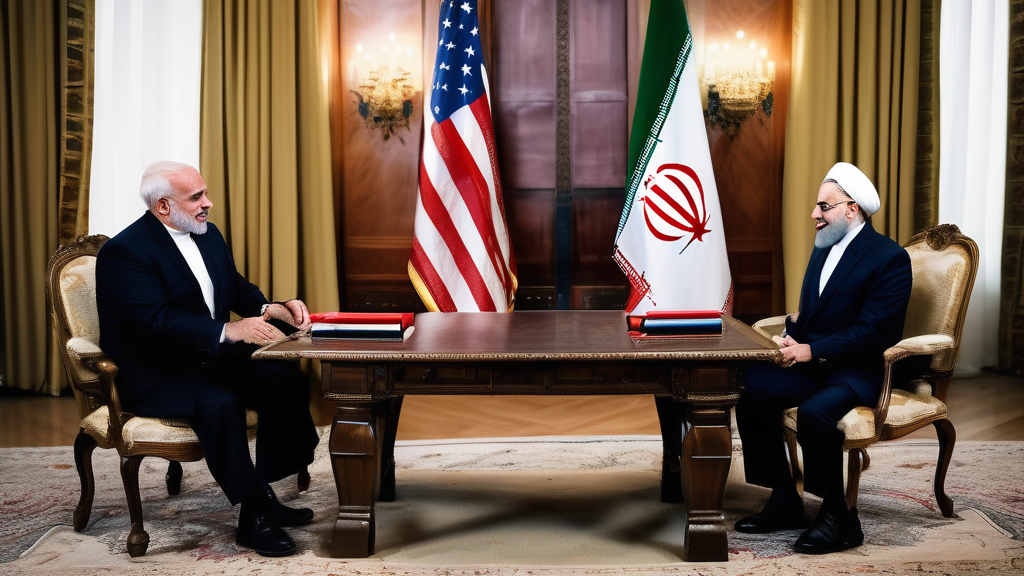
The signing ceremony, held in Oman, was notably short on the usual fanfare. No grand speeches, no handshakes for the cameras. Just two men at a table, pens in hand, looking like they’d both rather be somewhere else. Which, given the circumstances, is probably the most honest thing either of them has managed in months.
The deal covers an immediate halt to military operations, the release of prisoners held on both sides since the conflict began, and a commitment to further talks within 90 days. It does not, crucially, resolve the question of Iran’s nuclear programme. That particular headache, widely cited by Washington as the central justification for the conflict in the first place, has been kicked firmly down the road.
“We’ve stopped the bleeding,” one senior US official told reporters on background. “What we haven’t done is treated the wound.”
It’s a telling admission. The nuclear question was never going to be solved in a single signing. Iran has consistently maintained its right to civilian enrichment; the US and its allies have just as consistently drawn red lines around weapons-grade capability. Those positions haven’t moved much since 2015, and there’s little to suggest they’ve moved now.
Back home, reactions have been predictably split. In Tehran, state television ran footage of crowds celebrating in the streets. In Washington, several senators were already drafting statements questioning whether the administration had given up too much, too fast.
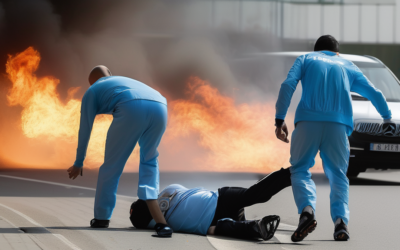
The humanitarian picture is grim by any measure. Thousands of civilians have died, regional supply chains are still badly disrupted, and oil prices remain stubbornly elevated. A ceasefire doesn’t fix any of that overnight.
Still, no shots fired is better than shots fired. The question now is whether the next 90 days of negotiations produce something real, or whether this deal becomes just another footnote in a very long and very unhappy chapter of Middle Eastern history.