The situation in the Middle East took another dangerous turn overnight, as both American and Iranian forces exchanged fresh strikes even as diplomats scrambled behind closed doors to broker some kind of pause in hostilities.
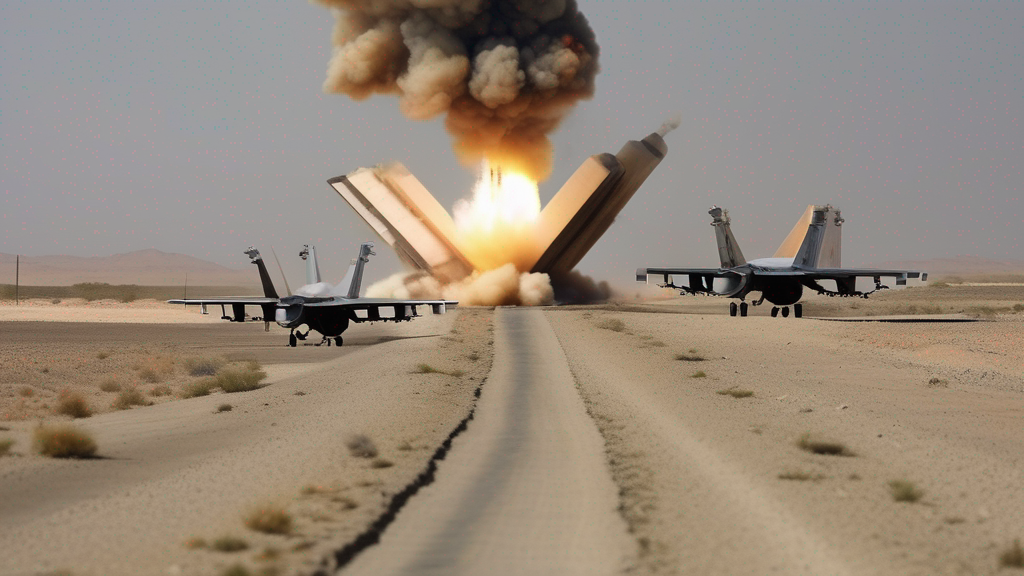
US Central Command confirmed it carried out strikes on what it described as Iranian-backed military infrastructure, citing ongoing threats to American personnel in the region. Iran’s Revolutionary Guard responded within hours, firing ballistic missiles at what state media called “illegitimate American positions.” The tit-for-tat exchange left ceasefire talks, which had reportedly been edging toward a framework agreement just days ago, in tatters.
It’s the kind of escalation that observers had feared. A senior European diplomat, speaking anonymously to Reuters, described the overnight exchanges as “a serious setback,” adding that mediators had been within 48 hours of a tentative agreement when the strikes began.
The renewed violence comes at a particularly fraught moment. Proxy conflicts linked to the broader US-Iran standoff are already burning across three countries, and oil prices jumped roughly 4% on Asian markets following news of the strikes, reflecting just how nervous energy traders are about what happens next.
For ordinary Iranians, the news lands against a backdrop of crippling sanctions, a currency in freefall, and growing public frustration with a government that many feel is prioritising ideological confrontation over economic survival. That domestic pressure, ironically, may be one of the few factors still keeping the door to negotiations ajar.
“Neither side actually wants a full-scale war, but both sides keep doing things that make one more likely,” said Dr. Sanam Vakil of the Chatham House think tank, who has followed the talks closely.
Washington, for its part, insists it remains open to diplomacy while defending what it calls its right to protect American forces. It’s a position that critics argue is increasingly difficult to square with an escalating strike campaign.
The coming 72 hours will likely tell us whether this is another painful bump in a long negotiating road, or the moment talks collapse entirely. And if they do collapse, the question isn’t whether someone blinks first; it’s whether anyone still wants to.