It was supposed to be a pause in hostilities. Within 72 hours, missiles were in the air again.
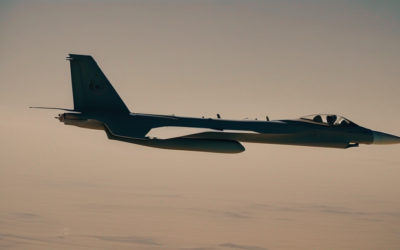
The US military confirmed on Thursday that it carried out strikes against Iranian drone launch sites and at least three radar installations across the Gulf region, describing the action as a “defensive response” to what it called imminent threats detected by surveillance aircraft. Pentagon spokesperson Major Elise Hartmann said the strikes were “precise, proportionate, and limited in scope,” though she declined to specify exact locations.
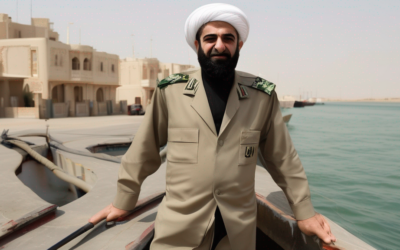
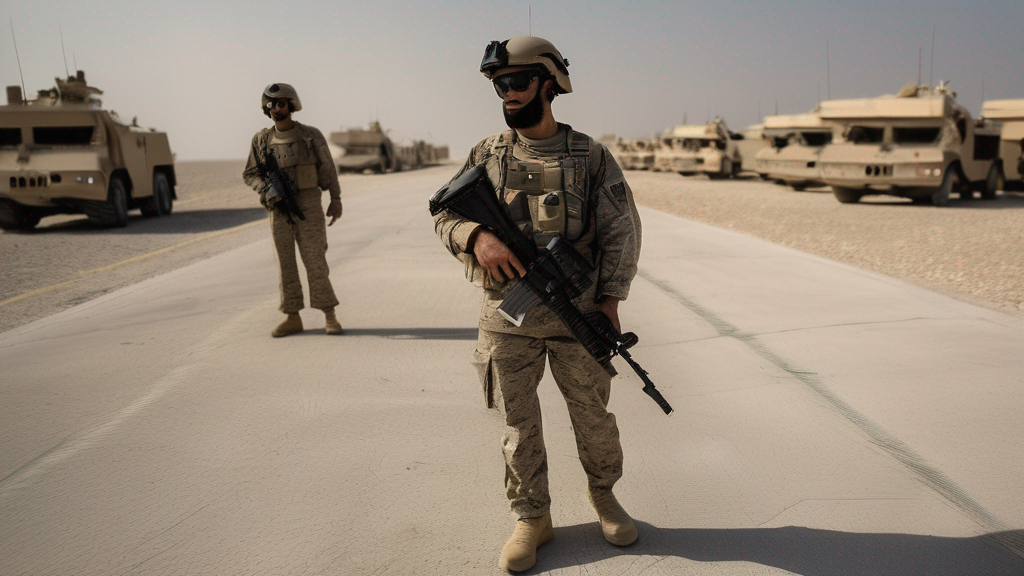
Tehran didn’t stay quiet for long. Iranian forces launched retaliatory strikes targeting US military installations in Kuwait and Bahrain, with the Islamic Revolutionary Guard Corps claiming it hit “strategic American positions” in both countries. US Central Command confirmed that air defence systems at both bases were activated and that “several incoming projectiles” were intercepted, though it acknowledged two minor injuries at Al Udeid’s forward support hub.
The exchange has rattled a ceasefire framework that was already looking shaky. Brokered just weeks ago through Omani intermediaries, the agreement was meant to freeze military activity in the Gulf corridor while diplomatic back-channels explored a broader de-escalation. Analysts at the International Crisis Group had warned as recently as Tuesday that the deal lacked formal verification mechanisms, essentially relying on good faith from both sides.
“When there’s no third-party monitoring and no defined consequences for violations, a ceasefire is really just a temporary pause in shooting,” said Dr. Reza Mousavi, a Gulf security researcher at King’s College London. “Both sides knew this arrangement was fragile.”
The strikes come at a particularly awkward moment. The US is currently navigating congressional pressure to reduce its Gulf footprint, while Iran faces its own internal divisions between hardliners pushing for escalation and pragmatists who’ve quietly signalled openness to negotiation.
Neither side has formally declared the ceasefire dead. Both are calling what happened a “response,” not an “attack,” which is a distinction that sounds almost meaninglessly thin from the outside, but carries real diplomatic weight in backroom talks.
The question now is whether Oman or Qatar can pull both parties back from the edge before the next exchange makes that conversation considerably harder to have.