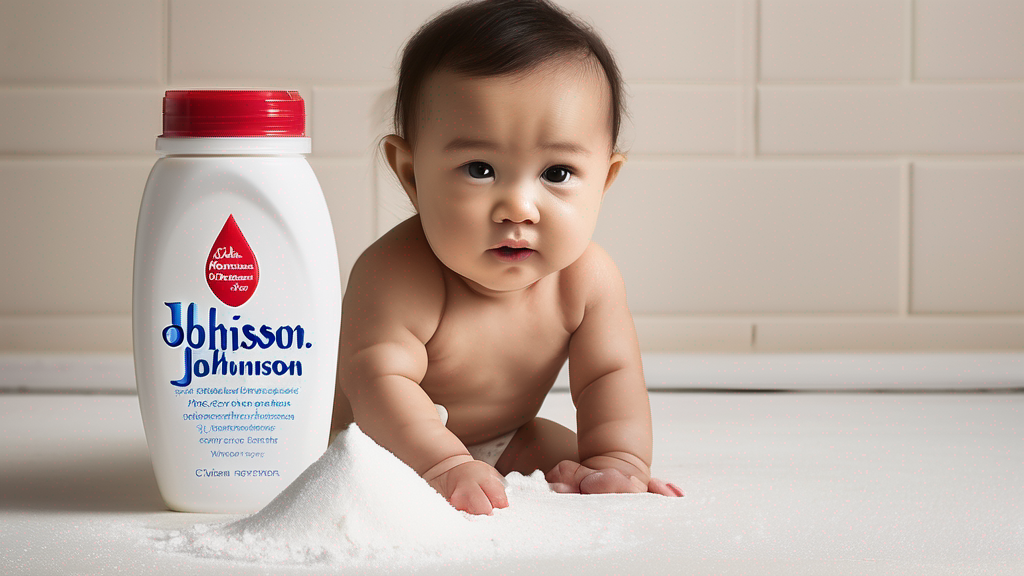
After years of courtroom battles, Johnson & Johnson has blinked. The pharmaceutical giant is offering up to $5.5 billion to settle tens of thousands of lawsuits alleging its talc-based baby powder caused ovarian cancer and mesothelioma in users who’d trusted the product for decades.
It’s a staggering sum, but for J&J, a company with annual revenues north of $85 billion, it may well be the price of drawing a line under one of the most damaging controversies in corporate history. The firm has consistently denied that its talc products cause cancer, and that position hasn’t changed, even as the cheques are being written.
The proposed settlement would resolve claims from roughly 62,000 plaintiffs, most of them women who developed ovarian cancer after using the powder for personal hygiene over many years. Some families have been fighting in court since the early 2010s, and a handful of earlier juries awarded eye-watering damages before appeals courts later reduced or overturned them.
J&J’s previous attempts to use a controversial bankruptcy manoeuvre to cap its liability were thrown out by federal courts twice, leaving the company with little choice but to negotiate directly with claimants.
The company had tried to offload its talc liabilities into a separate subsidiary, which it then pushed into bankruptcy, a legal strategy critics called a cynical abuse of the system. Courts agreed, and both attempts collapsed. This settlement represents a more straightforward, if considerably more expensive, path forward.
J&J discontinued its talc-based baby powder in the United States and Canada back in 2020, citing what it called “misinformation” around the product’s safety. A cornstarch-based version is still sold. The company maintains that decades of scientific study and regulatory review support the safety of its talc formulations.
For the plaintiffs, the money won’t undo the diagnoses or the losses. But many have said they simply want accountability, and some form of acknowledgement that their suffering was real and connected to a product they’d used without a second thought.
Whether $5.5 billion is enough to finally close this chapter, or whether fresh litigation will emerge in years to come, remains to be seen.