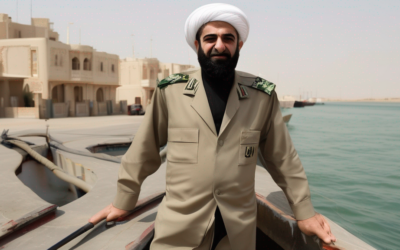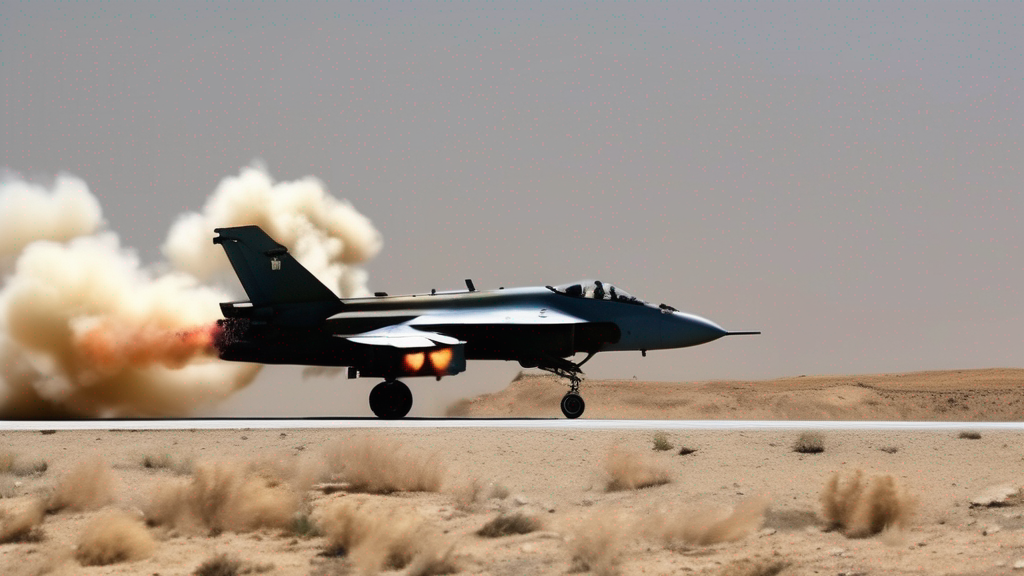
For now, at least, the missiles have stopped flying. Both Israel and Iran signalled on Tuesday that they were pulling back from the brink, with Israeli Prime Minister Benjamin Netanyahu saying his country was holding fire “at the moment”, and Iran’s armed forces confirming they had halted military action. It’s a fragile pause, but a pause nonetheless.
The de-escalation came after days of exchanged strikes that had rattled regional governments and sent oil markets lurching. The two countries stopped well short of calling it a ceasefire, which matters. Both sides were careful to frame the pause as conditional, making clear that any further provocation would be met with a swift response.
“We are not standing down permanently,” one Iranian military official indicated, according to regional reports. “Our restraint is contingent on the other side’s behaviour.”
Netanyahu’s language was similarly hedged. Holding fire “at the moment” is not the same as standing down, and nobody in Jerusalem or Tehran is pretending otherwise. The diplomatic gap between a temporary halt and an actual agreement remains considerable.
The United States, which had been applying significant pressure on both governments behind the scenes, welcomed the pause without declaring victory. Washington has spent weeks walking a tightrope, urging restraint while maintaining its security commitments to Israel. European foreign ministers also cautiously welcomed the news, though several noted that similar pauses in the past had collapsed within 72 hours.
For ordinary Israelis and Iranians, the past week has been genuinely alarming. Air raid sirens, interceptor missiles lighting up night skies, and the constant low-level dread of escalation. Both populations have lived under this shadow before, but the directness of the recent exchanges felt different to previous episodes of shadow-boxing.
The humanitarian situation in the wider region adds another layer of pressure. Aid organisations have been warning that any prolonged conflict would compound already severe shortages in Gaza and neighbouring countries, making a lasting halt desperately necessary rather than merely diplomatically convenient.
Whether this pause holds for days, weeks, or longer may depend less on formal negotiations and more on whether either side decides the cost of the next strike is worth paying.