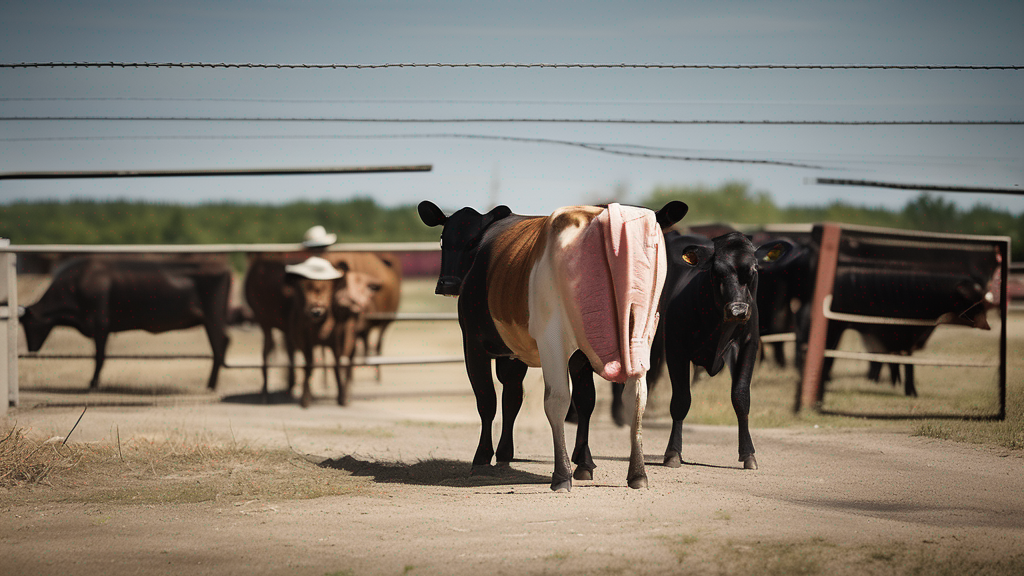
If the phrase “flesh-eating screwworm” doesn’t make you put down your sandwich, nothing will. Canada has moved swiftly to ban the import of cattle from Texas after the United States reported a fresh outbreak of New World screwworm, a parasitic fly whose larvae burrow into the living tissue of warm-blooded animals and feed from the inside out.
The Canadian Food Inspection Agency confirmed the import restrictions this week, citing the risk of the pest crossing into Canadian livestock herds. Texas, which shares a vast agricultural economy with both its southern and northern neighbours, is currently at the centre of the outbreak. The screwworm had previously been eradicated from the US back in 1966, so its return has rattled farmers and biosecurity officials alike.
The fly itself, Cochliomyia hominivorax, lays its eggs in open wounds or natural body cavities. The larvae then feed on living flesh, which can kill an animal within days if left untreated. Livestock, wildlife, and in rare cases even humans, are all vulnerable. It’s the kind of thing that sounds like science fiction but is very much a documented agricultural nightmare.
Officials have described the situation as a serious threat to North American livestock industries, with the pest capable of spreading rapidly if not contained at the border.
Canada imports a significant volume of cattle from the United States each year, so the ban carries real economic weight. Texas ranchers, already navigating drought pressures and fluctuating beef prices, are now facing another layer of disruption. The US Department of Agriculture has been deploying sterile fly releases, a proven suppression method, to try to push the outbreak back.
The screwworm’s reappearance in the US is being linked to its persistent presence in parts of Central America and Mexico. A previous scare in late 2024 prompted emergency trade restrictions between the US and Mexico, causing significant tension at the time.
Britain imports very little North American beef directly, but the situation is a sharp reminder of how quickly an agricultural pest can reshape trade relationships across an entire continent. The bigger question now is whether the US can contain this before it spreads beyond Texas.