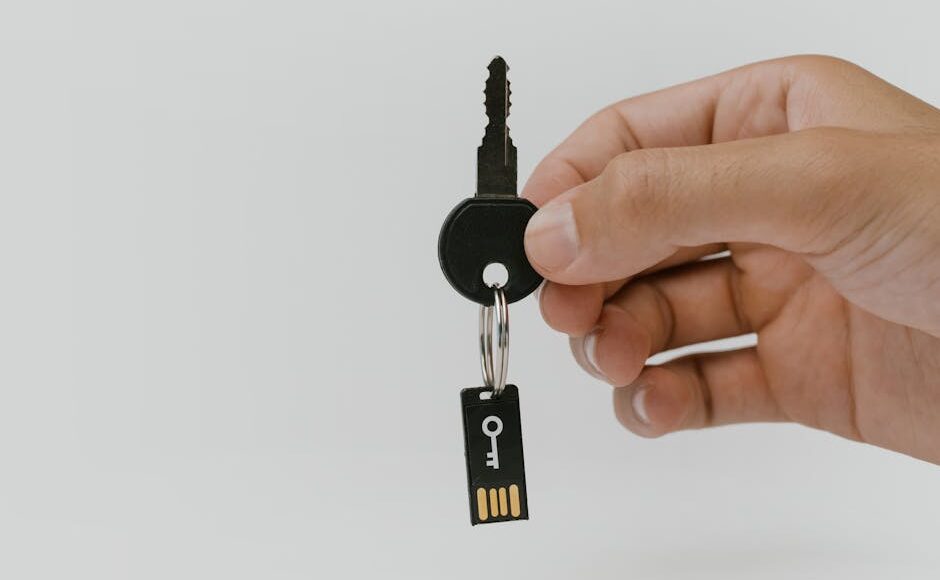
Your car knows more about you than your best mate. It knows where you’ve been, how fast you drove there, whether you were wearing a seatbelt, and in some cases, it’s quietly sending all of that back to the manufacturer.
Modern vehicles are essentially smartphones on wheels. The average new car contains over 100 sensors and can generate up to 25 gigabytes of data per hour. Most drivers have no idea this is happening.
Cybersecurity researcher Jake Moore, a specialist at ESET UK, has been warning about this for years.
“People obsess over their phone privacy settings but hand over far more intimate data the moment they sit in a connected car. Location history, driving behaviour, even synced contacts from your phone. It’s all there.”
The issue isn’t purely hypothetical. In 2023, Mozilla’s Privacy Not Included project reviewed 25 major car brands and found that every single one collected more personal data than necessary. Sixteen of those brands said they could share that data with law enforcement without a court order.
So what can you actually do? Moore suggests starting with the obvious: when you connect your phone via Bluetooth or Apple CarPlay, you’re granting the car access to your contacts, messages, and call logs. Always delete that data before selling or returning a leased vehicle. Most people forget this entirely.
Beyond that, check your car manufacturer’s app privacy settings. Brands like Tesla, Ford, and Volkswagen all have connected services accounts where data collection can be partially limited, though rarely switched off completely. It takes about ten minutes and most owners never bother.
Public charging points are another weak spot. So-called “juice jacking”, where malicious code is transferred via USB ports, remains a real if uncommon threat. Use a charge-only cable rather than a standard data cable if you’re plugging in somewhere unfamiliar.
The deeper question is a legislative one. The UK’s data protection framework technically requires manufacturers to be transparent about what they collect, but enforcement has been patchy at best.
As cars become more autonomous and more connected, the data they gather will only grow richer. Whether drivers will ever have genuine control over it is a question regulators are only just beginning to take seriously.