It was always going to come to this. After weeks of escalating rhetoric and carefully worded threats, the United States and Iran have exchanged direct military strikes, marking one of the most dangerous flashpoints between the two countries in decades.
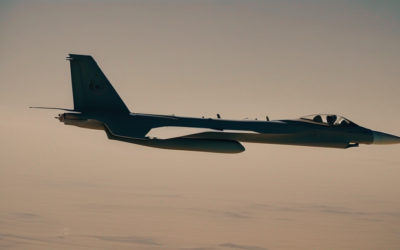
The sequence of events moved quickly. American forces targeted Iranian military assets following a series of warnings from President Trump, who had made clear in unusually blunt terms that any Iranian aggression would be met with overwhelming force. Tehran, not for the first time, chose not to back down.
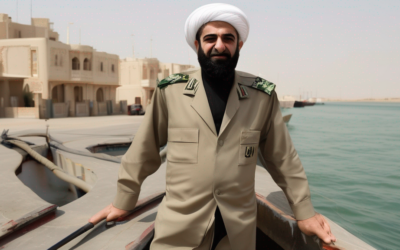
Iranian state media confirmed retaliatory strikes were launched in response, framing them as a matter of national sovereignty. A spokesman for the Islamic Revolutionary Guard Corps described the action as “a proportionate and measured response to American aggression,” though Western analysts were quick to question that framing given the scale of the exchange.
Trump, speaking from the White House, insisted the strikes were “defensive in nature” and warned Iran against any further escalation. He put the number of targets hit by US forces at over a dozen, though independent verification of those figures remains difficult at this stage.
Markets reacted sharply. Oil prices jumped more than 4% within hours of the news breaking, with Brent crude pushing past $94 a barrel as traders priced in the risk of disruption to Gulf shipping lanes. The pound dipped slightly against the dollar as investors sought safer assets.
For British citizens in the region, the Foreign Office updated its travel advice for Iran almost immediately, urging anyone without essential reasons to leave. A small number of UK nationals are believed to be in areas close to the affected zones.
The wider Gulf states are watching closely. Saudi Arabia and the UAE have significant stakes in regional stability, and both have been walking a delicate diplomatic line in recent months. Any further escalation risks pulling neighbours into a conflict neither openly wants.
What happens in the next 48 hours matters enormously. Iran has a history of calibrated responses designed to signal resolve without triggering full-scale war, but the room for miscalculation has rarely felt smaller. Whether cooler heads in Tehran or Washington prevail may depend on conversations happening right now behind very closed doors.